Small Backyard Chicken Run
Highlighted under: Hearty Home Delights
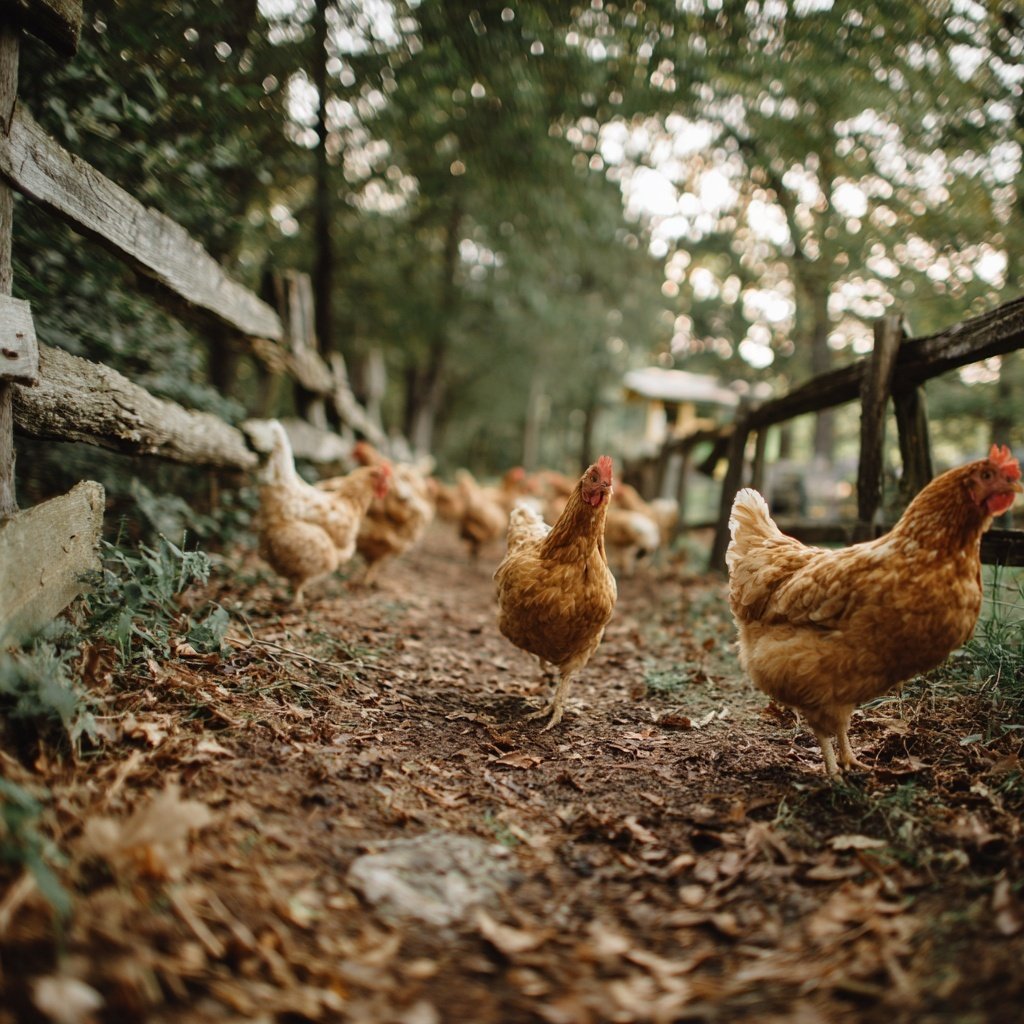
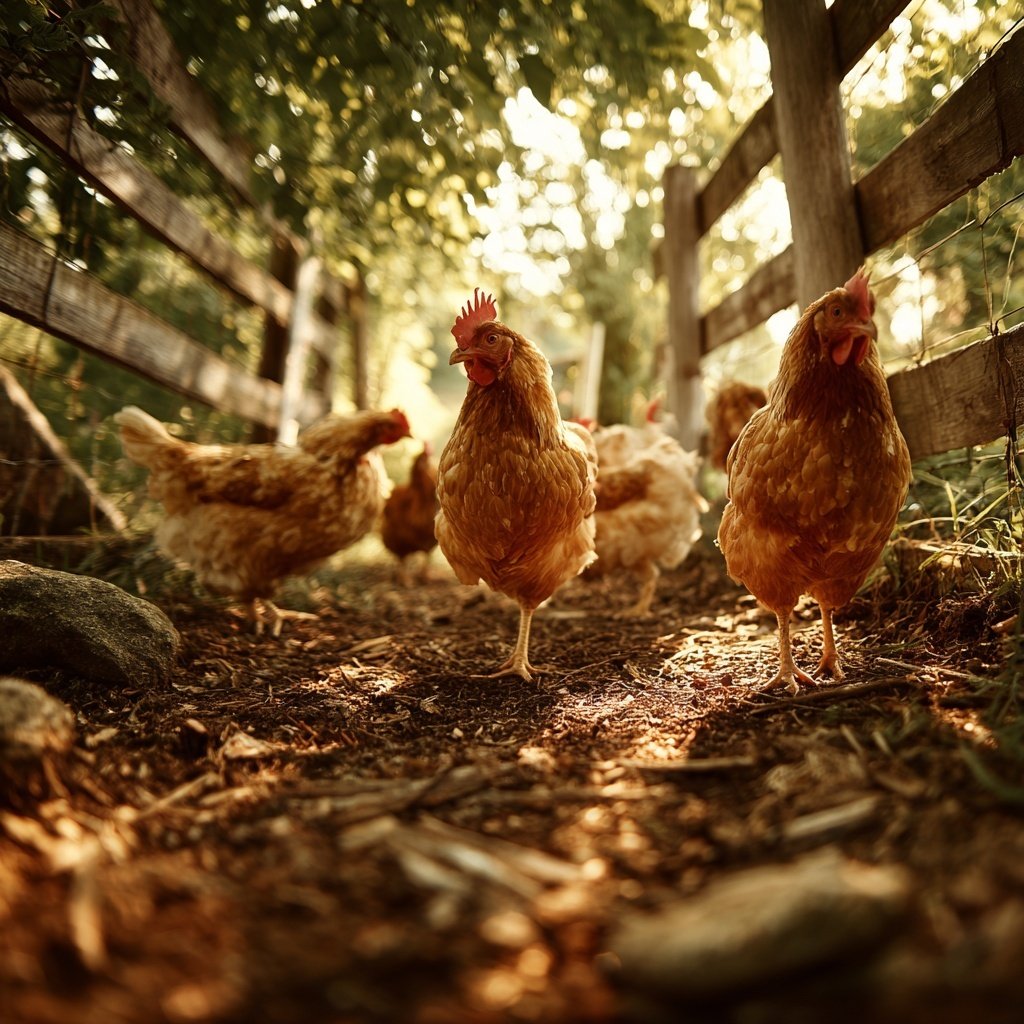
I’ve always wanted to raise chickens, and building a small backyard chicken run was my first stepping stone into this delightful adventure. This project didn’t just provide a safe space for my feathered friends; it also transformed my backyard into a lively ecosystem. The best part is how straightforward it was to construct with just some basic materials and tools. Everyone, from DIY beginners to seasoned builders, can enjoy this fulfilling project while adding charm to their outdoor space.
When I first embarked on creating my small backyard chicken run, I was surprised at how much joy it brought me. I researched various designs and ultimately settled on a simple, effective layout that allowed my chickens the freedom to roam, while keeping them safe from predators. I found that using materials I already had on hand reduced the cost and made it a truly rewarding experience.
One tip I learned is to ensure the run has adequate shade, especially during hot days. Chickens thrive when comfortable, and providing a shaded area helps keep them calm and productive. It’s amazing how much personality chickens have, and my flock has become an essential part of my daily life!
Why You'll Love This Chicken Run
- Provides a safe and secure environment for your chickens
- Enhances the aesthetic of your backyard
- Easy to customize based on space and budget
- Engages the entire family in a rewarding project
Understanding Your Chicken Run
Creating a backyard chicken run requires careful consideration of your chickens' needs. Firstly, you should ensure the area is spacious enough to allow them to roam comfortably; each chicken ideally needs around 10 square feet of outdoor space. This ensures they can exhibit natural behaviors like foraging and dust bathing, leading to healthier and happier birds.
The chosen location should not only provide adequate sunlight but also shelter from extreme weather conditions. Strategically placing your chicken run under trees or near shrubs can offer both protection from the sun during hot days and shielding from wind during colder months.
Customizing Your Chicken Run
Customization is key to making your chicken run not only functional but also appealing. Depending on your design and materials, you might choose to add features like nesting boxes or perches inside the run. These elements cater to your chickens’ natural behaviors, allowing them to lay eggs comfortably or rest off the ground. It’s crucial to ensure that nesting boxes are at least 12 inches square and provide soft bedding for comfort.
Additionally, think about incorporating a small covered area within your run. This can protect your chickens from rain and snow, ensuring they can enjoy the outdoors even during inclement weather. A simple tarp or a lightweight roof made from scrap materials can do the trick, making your run versatile and your chickens content.
Maintenance Tips for Your Chicken Run
Regular maintenance will keep your chicken run safe and pleasant for your flock. Clean the run at least once a week, removing waste and old bedding to prevent odors and any potential health issues for your chickens. If you notice any wet spots, consider adding more wood shavings or straw to absorb moisture. This keeps the environment dry and comfortable for your birds.
Be vigilant about inspecting the fencing and structure regularly. Look for any signs of wear or holes that could allow predators easy access. Repair any damaged areas promptly to maintain the security of your chickens. Scheduling these maintenance checks every month can greatly reduce any risks associated with keeping outdoor chickens.
Ingredients
To begin building your chicken run, gather the following materials:
Materials Needed
- Wooden posts (4x4 or 2x4)
- Wire fencing (chicken wire or hardware cloth)
- Wooden boards for flooring or base
- Hinges and latches for doors
- Nails or screws for assembly
- Tools (saw, drill, hammer, measuring tape)
Make sure to check local regulations for backyard chickens as well!
Instructions
Follow these simple steps to create your chicken run:
Plan the Layout
Decide where in your backyard you want to set up the chicken run. Make sure it gets sunlight and is away from any potential hazards.
Gather Materials
Collect all the materials listed above to ensure you have what you need before starting your build.
Build the Frame
Construct the base and frame of your chicken run using the wooden posts and boards, securing everything with nails or screws.
Attach the Fencing
Wrap the chicken wire around the frame tightly, ensuring there are no gaps where predators could enter.
Add a Door
Create a door for easy access, using hinges and a latch to keep it secure.
Finishing Touches
Paint or treat the wood to protect it from weather elements, and ensure the run is clean and ready for your chickens.
Finally, introduce your chickens to their new home and watch them explore their space!
Pro Tips
- Consider using treated wood if your area is prone to termites, and always have fresh water and food available for your chickens.
Tools and Techniques for Building
Utilizing the right tools significantly simplifies the construction process. A power drill speeds up the assembly of your wooden frame, while a measuring tape ensures accurate dimensions. Make sure your posts are cut to uniform lengths to create a stable structure; inconsistencies can lead to a crooked run that may not perfectly fit your yard.
When securing the frame, I recommend using screws over nails for added durability. Screws provide a stronger hold, especially when the run is exposed to the elements. Additionally, pre-drilling holes can prevent wood from splitting, making your assembly smoother and more professional-looking.
Safety Considerations
Beyond the basic construction, consider additional safety features for your chicken run. Burying wire fencing at least a foot underground will help prevent digging predators. This is particularly important if you live in an area with raccoons or foxes, which are known for their cunning nature when it comes to accessing easy meals.
Another useful tip is to use hardware cloth instead of standard chicken wire along the base of the run. It offers more substantial protection against predators and rodents, which may attempt to chew through weaker materials. While it may cost slightly more, the peace of mind is well worth the investment for any chicken keeper.
Enhancing the Chicken Run Experience
To further engage your chickens, consider adding enrichment elements such as hanging vegetables or scratch grains. This not only encourages natural foraging behaviors but also keeps them mentally stimulated. Rotating these treats weekly can also ensure that your flock remains active and healthy.
If you're looking to expand your flock in the future, plan for additional space in your run. Chicken dynamics can shift when new birds are introduced, so having plenty of room helps to reduce stress and aggression, making the transition smoother for everyone involved.
Questions About Recipes
→ How big should I make my chicken run?
As a general rule, each chicken needs about 10 square feet of space in the run.
→ Can I use old wood to build my chicken run?
Yes, as long as the wood is not rotting or treated with harmful chemicals.
→ Do I need a roof for the chicken run?
It’s a good idea to add a roof to protect your chickens from predators and harsh weather.
→ How often should I clean the chicken run?
Aim to clean the run at least once a week to maintain a healthy environment for your chickens.
Small Backyard Chicken Run
What You'll Need
Materials Needed
- Wooden posts (4x4 or 2x4)
- Wire fencing (chicken wire or hardware cloth)
- Wooden boards for flooring or base
- Hinges and latches for doors
- Nails or screws for assembly
- Tools (saw, drill, hammer, measuring tape)
How-To Steps
Decide where in your backyard you want to set up the chicken run. Make sure it gets sunlight and is away from any potential hazards.
Collect all the materials listed above to ensure you have what you need before starting your build.
Construct the base and frame of your chicken run using the wooden posts and boards, securing everything with nails or screws.
Wrap the chicken wire around the frame tightly, ensuring there are no gaps where predators could enter.
Create a door for easy access, using hinges and a latch to keep it secure.
Paint or treat the wood to protect it from weather elements, and ensure the run is clean and ready for your chickens.
Extra Tips
- Consider using treated wood if your area is prone to termites, and always have fresh water and food available for your chickens.
Nutritional Breakdown (Per Serving)
- Calories: 0 kcal
- Total Fat: 0g
- Saturated Fat: 0g
- Cholesterol: 0mg
- Sodium: 0mg
- Total Carbohydrates: 0g
- Dietary Fiber: 0g
- Sugars: 0g
- Protein: 0g