Duck Confit with Cherry Compote
Highlighted under: Culinary Journey
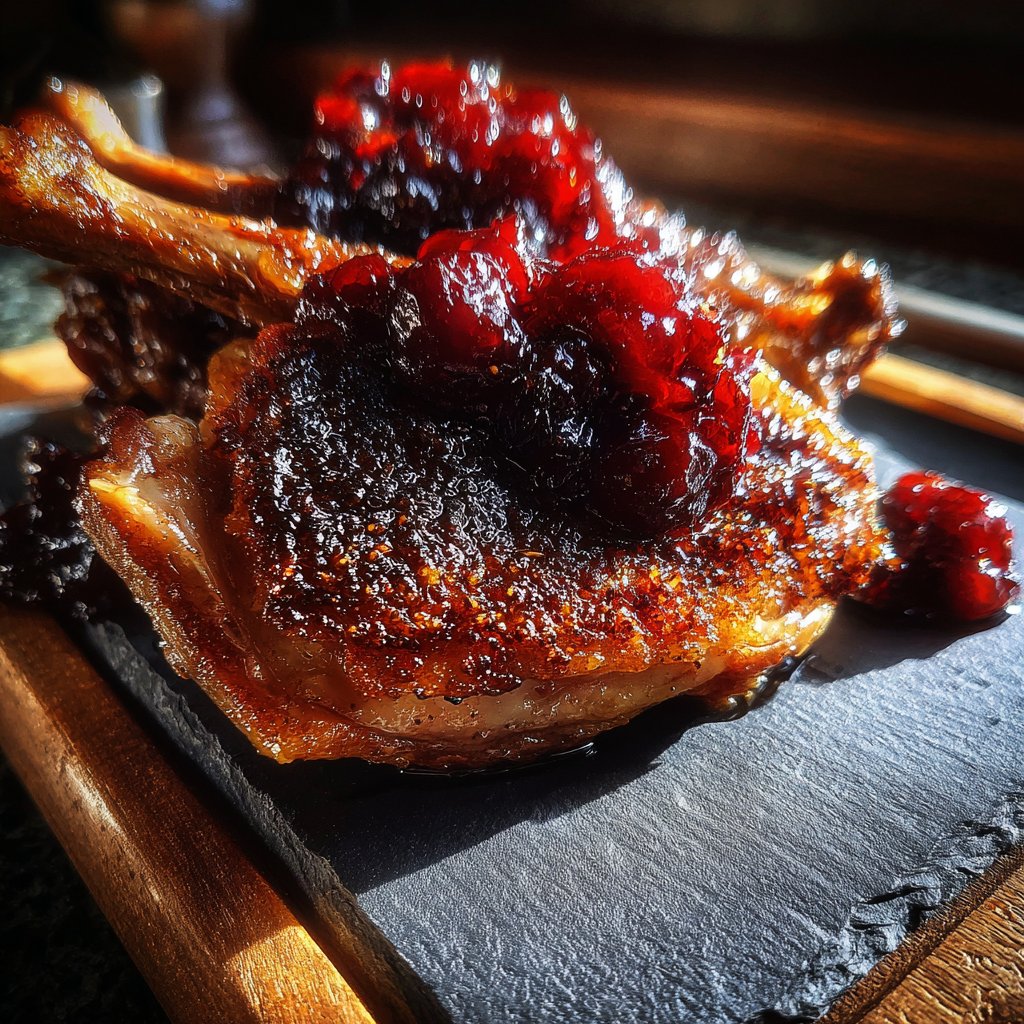
I absolutely love making Duck Confit with Cherry Compote at home – it's a dish that never ceases to impress! The crispy skin and tender meat offer an exquisite texture, and the tartness of the cherry compote elevates the dish to new heights. It's a personal favorite for cozy dinners or special occasions, and the aroma that fills my kitchen while it's cooking is simply delightful. The process may seem daunting, but the end result is worth every minute spent, making it a truly rewarding culinary adventure.
When I first attempted Duck Confit, I was thrilled with the crispy skin and rich flavor that came from the slow cooking process in its own fat. The key is to take your time; patience is essential for achieving that melt-in-your-mouth texture. I usually start the process a day ahead, allowing the duck to cure with salt and herbs, which enhances the flavor and tenderizes the meat dramatically.
The cherry compote is the real star here, adding a burst of tartness that balances the richness of the confit beautifully. A tip I learned is to simmer the cherries with a splash of balsamic vinegar, which deepens the flavor and adds a lovely acidity. This combination has become a staple in my kitchen, and I hope it will be in yours as well!
Why You Will Love This Recipe
- Crispy skin with juicy, flavorful meat
- Delicious contrast of sweet and tart from the compote
- Perfect for impressing guests or a special treat
The Art of Duck Confit
Duck confit is a time-honored technique that transforms duck legs into deeply flavorful and tender meat. Curing the duck legs not only ensures flavor penetration but also helps to render the fat, which plays a crucial role in preserving the meat during the slow cooking process. I often opt for a generous amount of thyme and rosemary, as their earthy flavors complement the richness of the duck beautifully. When curing, be sure to cover the legs completely with the salt mixture to maximize the flavor absorption.
When it comes to cooking the duck, patience is key. Cooking at a low temperature, around 225°F (107°C), allows the fat to gently envelop the legs, breaking down connective tissues for that melt-in-your-mouth experience. Keeping an eye on the duck while it cooks is essential, as overcooking can lead to drying out. The ideal texture is when the meat pulls away easily from the bone and achieves a slightly translucent look.
Crafting the Cherry Compote
The cherry compote is a delightful balance to the rich flavors of duck confit. Using fresh cherries is ideal, but if they are out of season, high-quality frozen cherries can make a great substitute without sacrificing flavor. When preparing the compote, it's important to keep the heat at medium to ensure the sugar dissolves evenly, resulting in a smooth, glossy mixture. The balsamic vinegar not only provides acidity to cut through the fat of the duck but also adds depth with its complex sweetness.
Allow the compote to simmer for about 15 minutes or until it reaches a thicker consistency. You want it to coat the back of a spoon without being overly thick. If your compote becomes too stiff, add a splash of water to achieve the desired consistency. This step is crucial, as the texture of the compote should complement the duck, enhancing rather than overpowering it.
Serving and Storing Tips
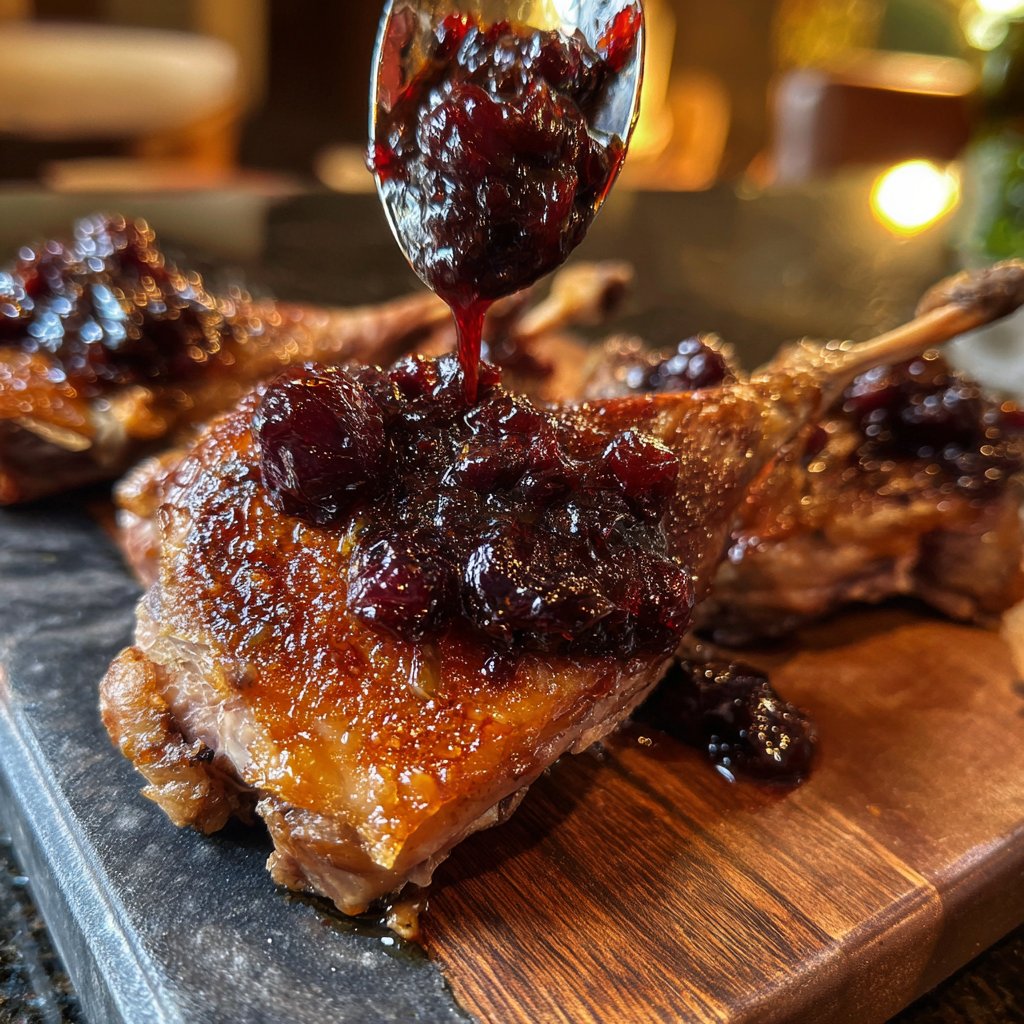
When serving your duck confit, plating becomes an essential part of the experience. A simple but elegant approach is to place the duck leg in the center of the plate and generously spoon the cherry compote over the top. Pair it with sides like creamy mashed potatoes or sautéed seasonal vegetables, which will absorb the rich flavors beautifully. For a touch of visual flair, consider garnishing with fresh herbs or a sprinkle of microgreens.
If you find yourself with leftovers, duck confit can be stored in the fridge for up to a week, submerged in its fat to keep it moist. Alternatively, freezing it is an excellent option; just ensure it's airtight to preserve flavor. When reheating, do so in the oven to maintain the crispy skin. Aim for a temperature around 350°F (175°C) until heated through, making it crispy again for a delicious return to the plate.
Ingredients
Gather your ingredients before you start cooking to ensure a smooth process.
For the Duck Confit
- 4 duck legs
- 2 cups duck fat
- 2 teaspoons salt
- 1 teaspoon black pepper
- 2 sprigs fresh thyme
- 2 sprigs fresh rosemary
For the Cherry Compote
- 2 cups pitted cherries (fresh or frozen)
- 1/2 cup sugar
- 1/4 cup balsamic vinegar
- 1 teaspoon vanilla extract
Once you've gathered everything, you're ready to start preparing this delicious dish!
Instructions
Follow these steps carefully for the best results.
Cure the Duck
Rub duck legs with salt, pepper, thyme, and rosemary. Cover with plastic wrap and refrigerate for 24 hours.
Cook the Duck
Preheat the oven to 225°F (107°C). Rinse and pat dry the duck legs, then submerge them in duck fat in a baking dish. Cook for 2.5 to 3 hours until tender.
Prepare the Cherry Compote
In a saucepan, combine cherries, sugar, balsamic vinegar, and vanilla. Cook over medium heat until the mixture thickens, about 15 minutes.
Crisp the Duck Skin
Remove duck legs from fat and pat dry. Heat a skillet over medium-high heat and sear the duck skin-side down until golden and crisp.
Serve the Dish
Plate the duck leg, spoon cherry compote over the top, and serve with your choice of sides.
Enjoy your meal and the delightful flavors of duck confit!
Pro Tips
- For the best results, use high-quality duck fat and fresh cherries when available. Plan ahead to allow the duck to cure for a day, enhancing the flavor significantly.
Troubleshooting Duck Confit
One common issue when making duck confit is the fat not fully covering the duck legs during cooking. This can happen if the baking dish is too small or if there isn’t enough fat. To avoid this, choose a deeper dish or increase the amount of duck fat until the legs are entirely submerged. This ensures they cook evenly and remain tender.
If you're concerned about the salt levels after curing, a quick rinse under cold water before cooking can help balance flavors. Also, ensure that you're checking the temperature of the duck toward the end of cooking; undercooked duck may leave you feeling uneasy, while overcooked duck will lose its tenderness.
Ingredient Substitutions
While duck confit is traditionally made with duck legs, feel free to experiment with other cuts of meat, such as chicken thighs. They won’t be quite as rich but will still provide a delicious result. Also, for those looking to cut down on fat, consider using olive oil instead of duck fat, though the flavor will differ significantly.
For the cherry compote, if cherries aren't available, berries or stone fruits like peaches or apricots can work beautifully. Adjust the sugar content based on the sweetness of the fruit you choose, as this will affect the overall balance of the dish.
Variations on Presentation
To elevate your presentation, consider serving the duck confit on a bed of greens or grain such as farro or quinoa, which can soak up the flavors from the sauce. Adding a splash of balsamic reduction around the plate can also enhance the visual appeal while echoing the flavors in the compote.
Another winning variation is to incorporate nuts like chopped pistachios or walnuts into the compote. They add a crunchy texture and a nutty flavor that contrasts beautifully with the soft cherries, enhancing the overall dish while adding an unexpected twist.
Questions About Recipes
→ Can I use chicken instead of duck?
While you can use chicken, the flavor and texture will be different. Duck provides a richer taste due to its fat content.
→ How long can I store leftover duck confit?
Duck confit can be stored in the refrigerator for up to one week. Ensure it's submerged in fat for preservation.
→ Is this dish suitable for freezing?
Yes, Duck Confit can be frozen for up to three months. Just make sure it's well-sealed.
→ What sides pair well with Duck Confit?
Roasted vegetables, mashed potatoes, or a fresh green salad are excellent sides to complement this dish.
Duck Confit with Cherry Compote
Created by: Rowena Clarke
Recipe Type: Culinary Journey
Skill Level: Intermediate
Final Quantity: 4 servings
What You'll Need
For the Duck Confit
- 4 duck legs
- 2 cups duck fat
- 2 teaspoons salt
- 1 teaspoon black pepper
- 2 sprigs fresh thyme
- 2 sprigs fresh rosemary
For the Cherry Compote
- 2 cups pitted cherries (fresh or frozen)
- 1/2 cup sugar
- 1/4 cup balsamic vinegar
- 1 teaspoon vanilla extract
How-To Steps
Rub duck legs with salt, pepper, thyme, and rosemary. Cover with plastic wrap and refrigerate for 24 hours.
Preheat the oven to 225°F (107°C). Rinse and pat dry the duck legs, then submerge them in duck fat in a baking dish. Cook for 2.5 to 3 hours until tender.
In a saucepan, combine cherries, sugar, balsamic vinegar, and vanilla. Cook over medium heat until the mixture thickens, about 15 minutes.
Remove duck legs from fat and pat dry. Heat a skillet over medium-high heat and sear the duck skin-side down until golden and crisp.
Plate the duck leg, spoon cherry compote over the top, and serve with your choice of sides.
Extra Tips
- For the best results, use high-quality duck fat and fresh cherries when available. Plan ahead to allow the duck to cure for a day, enhancing the flavor significantly.
Nutritional Breakdown (Per Serving)
- Calories: 650 kcal
- Total Fat: 50g
- Saturated Fat: 15g
- Cholesterol: 200mg
- Sodium: 780mg
- Total Carbohydrates: 25g
- Dietary Fiber: 2g
- Sugars: 22g
- Protein: 32g