Protein Bagels With Sesame Seeds
Highlighted under: Light & Wholesome
I love making these protein bagels with sesame seeds whenever I want a healthy breakfast option that’s both filling and easy to prepare. The combination of high-protein ingredients and nutty seeds not only boosts the nutritional profile but also adds a delightful crunch to each bite. Plus, the best part is that they can be made ahead of time, making them perfect for busy mornings. With just a few simple steps, I can enjoy a delicious homemade bagel that fuels my day!
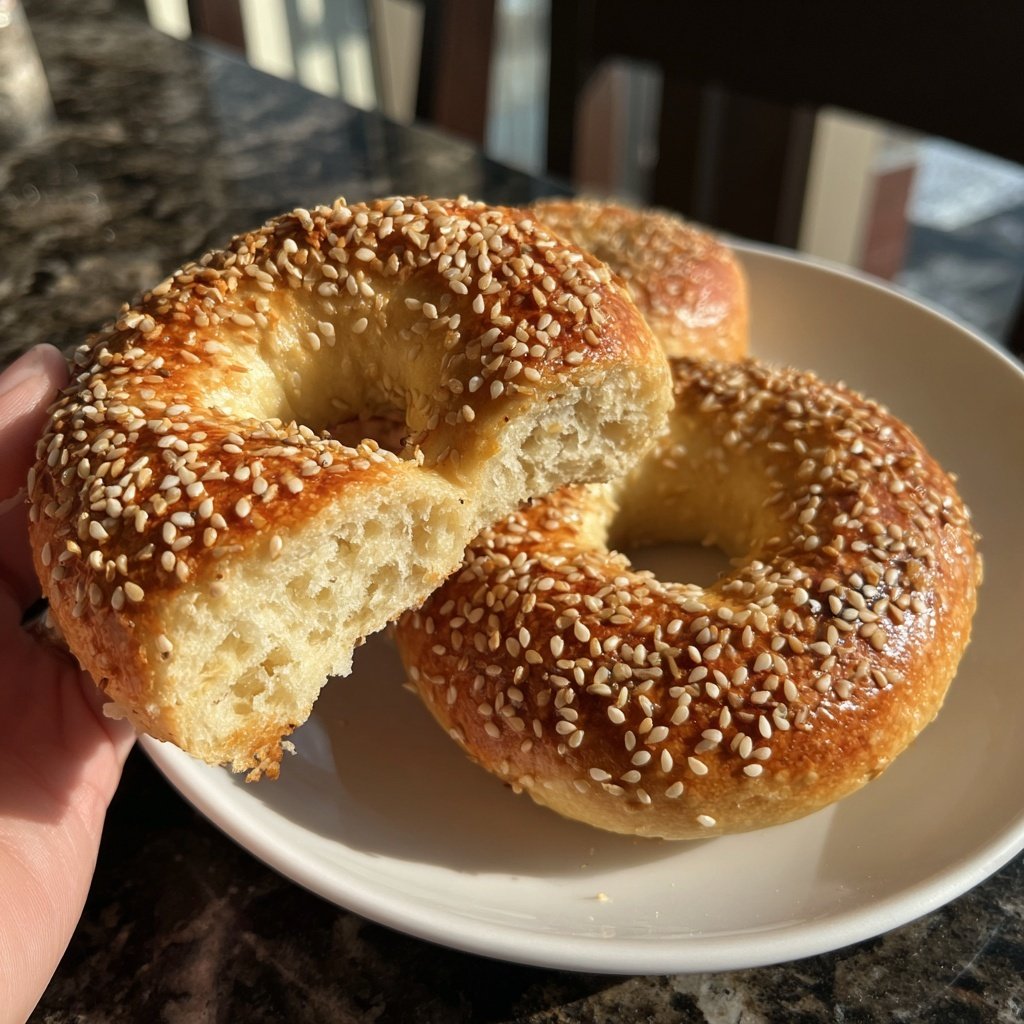
I still remember the first time I baked these protein bagels. I was looking for a healthier alternative to store-bought options, and surprisingly, the process was simpler than I thought! Using Greek yogurt and almond flour yielded a soft yet chewy texture that was utterly satisfying. Baking them in the oven allowed the sesame seeds to toast beautifully, creating an irresistible aroma that filled my kitchen.
One tip I discovered was to ensure the dough isn’t too sticky; adding a little bit more almond flour while kneading can make all the difference. It not only helps shape the bagels easily but also enhances their structure. The result? Perfectly risen bagels that are deliciously nutritious!
Why You'll Love These Bagels
- Packed with protein to keep you energized throughout the day
- Nutty sesame flavor that complements any spread or topping
- Versatile enough to enjoy plain or with your favorite fillings
Perfecting the Dough
The key to achieving a smooth and elastic dough for these bagels lies in the mixing technique. Begin by thoroughly combining your almond flour, Greek yogurt, baking powder, and salt. I recommend using your hands to knead the dough; this allows you to gauge its texture and elasticity better. Knead for about 3-5 minutes until the dough is homogenous and no longer sticky. The hydration from the Greek yogurt helps bind the almond flour, which is crucial for creating that satisfying bagel texture.
If you find that your dough is too crumbly after mixing, try adding a teaspoon of water at a time until it reaches the desired consistency. Remember, almond flour can absorb moisture differently based on the brand. In contrast, if your dough feels excessively wet, a little extra almond flour can help you achieve the right balance. Monitoring the texture closely is essential to getting a perfect bagel every time.
Baking Tips for Golden Bagels
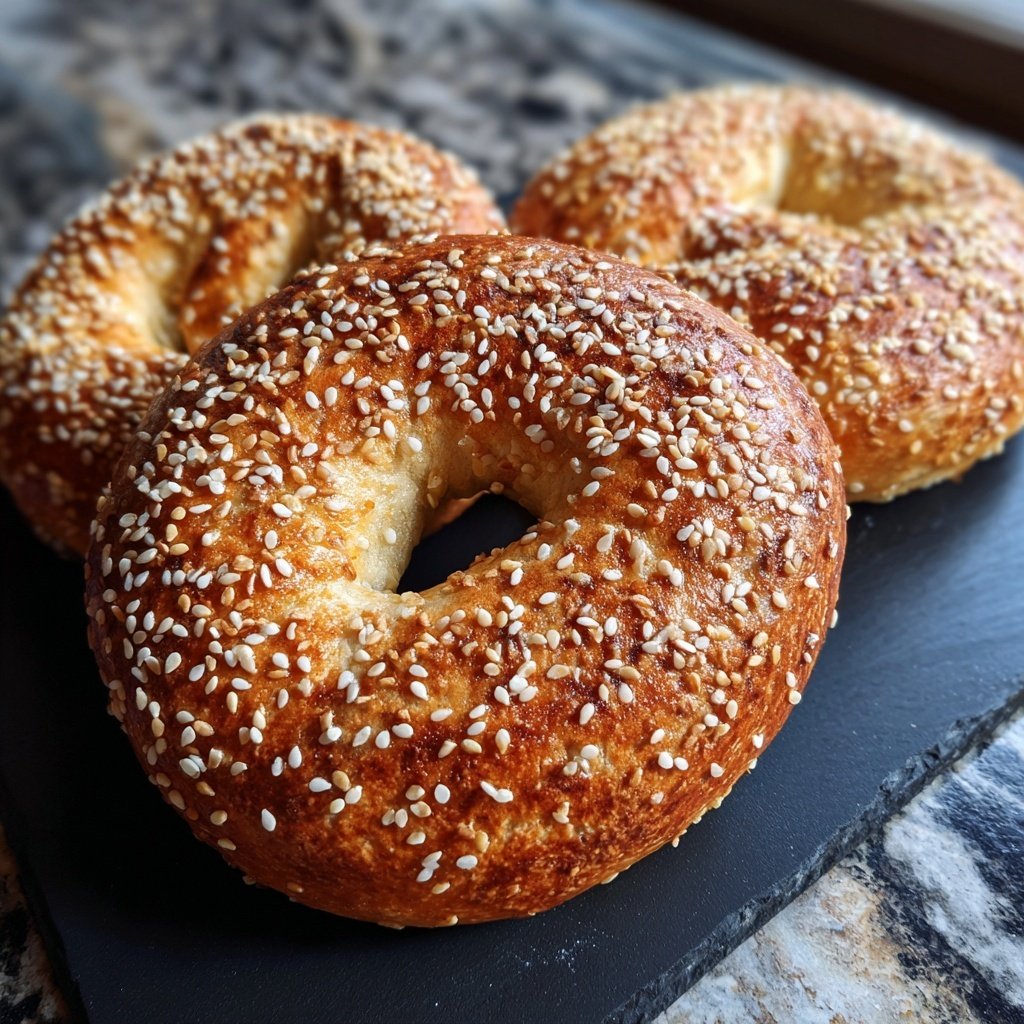
For perfectly baked bagels, preheat your oven to 375°F (190°C) well in advance to ensure even cooking. Position your rack in the center of the oven for optimal heat circulation, which helps in creating a nice crust while ensuring the insides are fully cooked. Keep an eye on the bagels during the last few minutes of baking; they should have a beautifully golden color on top with slight browning around the edges, which typically takes around 25 minutes.
To prevent overbaking, consider using a baking stone if you have one, as it retains heat effectively and helps achieve a better crust. Alternatively, check the bagels at the 20-minute mark and rotate the baking sheet to ensure even browning. Slicing the bagels too soon can lead to a gummy texture, so it’s best to let them cool on a wire rack for at least 10 minutes before cutting.
Storage and Serving Suggestions
These protein bagels can be made ahead of time, which is ideal for busy mornings. Once cooled, store them in an airtight container at room temperature for up to three days or longer in the fridge. For longer storage, consider freezing them. Wrap each bagel individually in plastic wrap and place them in a freezer-safe bag. They can be stored frozen for up to three months; just pop them in a toaster or oven when you’re ready to enjoy one.
When it comes to serving, the nutty sesame flavor pairs beautifully with various toppings. Cream cheese, avocado, or even homemade hummus can elevate your breakfast experience. I love adding a sprinkle of everything bagel seasoning for an extra flavor dimension. Feel free to experiment with fillings too; smoked salmon, turkey, or roasted veggies make delightful additions, turning your bagel into a satisfying meal.
Ingredients
For the Bagels
- 2 cups almond flour
- 1 cup Greek yogurt
- 1 teaspoon baking powder
- 1 teaspoon salt
- 1 egg (for egg wash)
- 2 tablespoons sesame seeds
Instructions
Prepare the Dough
In a mixing bowl, combine almond flour, Greek yogurt, baking powder, and salt. Mix until a dough forms, then knead for a few minutes until it’s smooth and pliable.
Shape the Bagels
Divide the dough into 8 equal pieces. Roll each piece into a rope and shape it into a bagel, sealing the ends together. Place them on a baking sheet lined with parchment paper.
Add Egg Wash and Sesame Seeds
Beat the egg in a small bowl. Brush the tops of the bagels with the egg wash and sprinkle sesame seeds over each one.
Bake the Bagels
Preheat your oven to 375°F (190°C). Bake the bagels for 25 minutes or until they are golden brown.
Cool and Enjoy
Remove the bagels from the oven and let them cool on a wire rack before slicing. Enjoy them warm or toasted with your favorite spread!
Pro Tips
- For added flavor, consider mixing in your favorite herbs or spices into the dough, such as garlic powder or onion flakes.
Ingredient Variations
While almond flour is a staple for these protein bagels, those with nut allergies can substitute by using sunflower seed flour. This alternative not only provides a similar texture but also keeps the recipe nut-free. Similarly, if Greek yogurt isn’t available, you can opt for a thick plant-based yogurt made from coconut or soy. Be aware that these substitutes may alter the flavor slightly, so choose according to your preference.
Feel free to play with the toppings as well! Instead of sesame seeds, try poppy seeds or a mix of seeds for a different flavor profile. You could also incorporate herbs or spices into the dough, such as garlic powder or dried oregano, for an aromatic twist that adds depth to every bite.
Troubleshooting Common Issues
If your bagels puff up too much during baking, this is often a sign that the dough was overworked or too wet. It’s essential to find the right balance of ingredients—if you're using different brands of yogurt or flour, keep an eye on the texture and adjust as needed. If they end up flatter than expected, you may not have kneaded them enough; a well-kneaded dough will hold its shape better during baking.
Another common issue is bagels that are too dense. This can occur if there isn't enough rising agent in your dough, like baking powder. Always measure your ingredients accurately and ensure the baking powder is fresh. If they turn out dense, try incorporating an extra teaspoon of baking powder next time to improve the lift and overall texture.
Scaling the Recipe
This bagel recipe is scalable, making it easy to prepare for gatherings or meal prep. Doubling the ingredients will yield 16 bagels, and the process remains the same. Just ensure that your mixing bowl is large enough to accommodate the increased volume. If making a large batch, consider using multiple baking sheets to avoid overcrowding in the oven, which can lead to uneven baking.
When scaling up, maintain attention to baking times. Larger batches might take a few additional minutes in the oven, so start checking for doneness around the 25-minute mark. If you plan on freezing some of the batch, make sure to allow them to cool completely before wrapping individually to preserve freshness and texture.
Questions About Recipes
→ Can I make these bagels gluten-free?
Yes, you can substitute almond flour with a gluten-free all-purpose flour blend.
→ How should I store the bagels?
Store the bagels in an airtight container at room temperature for up to 3 days or freeze them for longer storage.
→ What toppings work best with these bagels?
These bagels pair wonderfully with cream cheese, avocado, or even nut butter for a protein boost.
→ Can I use regular yogurt instead of Greek yogurt?
Greek yogurt is recommended for its thicker consistency, but you can use regular yogurt; just be cautious of the dough's moisture.
Protein Bagels With Sesame Seeds
Created by: Rowena Clarke
Recipe Type: Light & Wholesome
Skill Level: Beginner
Final Quantity: 8 bagels
What You'll Need
For the Bagels
- 2 cups almond flour
- 1 cup Greek yogurt
- 1 teaspoon baking powder
- 1 teaspoon salt
- 1 egg (for egg wash)
- 2 tablespoons sesame seeds
How-To Steps
In a mixing bowl, combine almond flour, Greek yogurt, baking powder, and salt. Mix until a dough forms, then knead for a few minutes until it’s smooth and pliable.
Divide the dough into 8 equal pieces. Roll each piece into a rope and shape it into a bagel, sealing the ends together. Place them on a baking sheet lined with parchment paper.
Beat the egg in a small bowl. Brush the tops of the bagels with the egg wash and sprinkle sesame seeds over each one.
Preheat your oven to 375°F (190°C). Bake the bagels for 25 minutes or until they are golden brown.
Remove the bagels from the oven and let them cool on a wire rack before slicing. Enjoy them warm or toasted with your favorite spread!
Extra Tips
- For added flavor, consider mixing in your favorite herbs or spices into the dough, such as garlic powder or onion flakes.
Nutritional Breakdown (Per Serving)
- Calories: 210 kcal
- Total Fat: 12g
- Saturated Fat: 1g
- Cholesterol: 55mg
- Sodium: 260mg
- Total Carbohydrates: 16g
- Dietary Fiber: 3g
- Sugars: 1g
- Protein: 10g